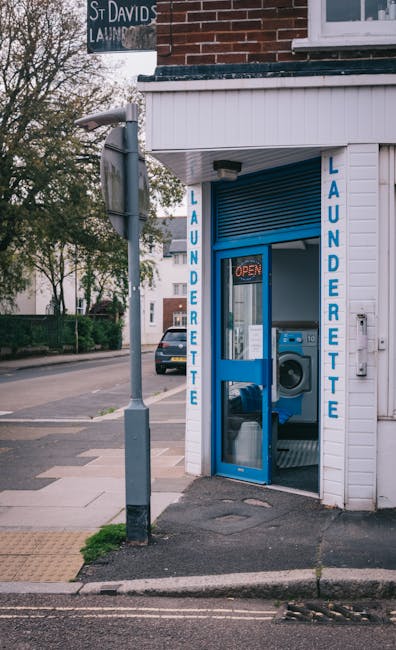
Barnes office cleaning for shops on Barnes High Street
If you run a shop on Barnes High Street, you already know the front of house matters. A clean floor, tidy counter, dust-free shelves, and fresh-smelling staff area all quietly shape how people feel the moment they walk in. Barnes office cleaning for shops on Barnes High Street is really about that mix of presentation, hygiene, and day-to-day practicality. It is not just "cleaning the office"; it is keeping a small commercial space looking reliable, calm, and ready for customers, deliveries, and the odd muddy footprint after a wet London morning.
In a retail setting, small messes stack up fast. Finger marks on glass, crumbs under a till, tea spills near the stock room, and dust in corners can make a shop feel tired before lunch. The good news? A well-planned cleaning routine can stop that slide without getting in the way of trading. In this guide, you will find a clear breakdown of how shop-focused office cleaning works, what to expect, common mistakes to avoid, and how to choose a sensible service level for Barnes High Street. Nothing fancy. Just the useful stuff.
Table of Contents
- Why Barnes office cleaning for shops on Barnes High Street matters
- How Barnes office cleaning for shops on Barnes High Street works
- Key benefits and practical advantages
- Who this is for and when it makes sense
- Step-by-step guidance
- Expert tips for better results
- Common mistakes to avoid
- Tools, resources and recommendations
- Law, compliance, standards, or best practice
- Options, methods, or comparison table
- Case study or real-world example
- Practical checklist
- Conclusion
- Frequently asked questions
Why Barnes office cleaning for shops on Barnes High Street Matters
High street shops have a special kind of cleaning pressure. You are not just maintaining a workplace; you are maintaining a customer-facing space where first impressions happen in seconds. That matters even more on a street like Barnes High Street, where people often notice the little details: the shine on the glass, whether the threshold looks swept, whether the staff area feels organised, whether the shop smells fresh rather than stale. It all adds up.
A clean shop office area also supports the practical side of trading. Staff work better when desks are clear and surfaces are not sticky. Paperwork goes missing less often. Devices stay cleaner. Stock control feels less chaotic. And if you have customer receipts, packaging materials, or a back-of-house admin desk, those areas need a different sort of attention than the shop floor itself. The office section of a shop can easily become the place where clutter gathers like it pays rent.
There is also a trust element. Customers may not see your back office, but they can sense when the whole premises are looked after. A tidy, hygienic workplace says you take your business seriously. That can be subtle, but to be fair, subtle is often what wins repeat custom.
For many shop owners, using a professional commercial cleaning service alongside a regular shop-office routine is the easiest way to keep both customer areas and back-of-house spaces consistently presentable. If carpets, mats, or small office rugs are part of the environment, it can also be worth looking at commercial carpet cleaning so dirt does not become ground in over time.
Expert summary: The best shop cleaning on Barnes High Street is not the most elaborate one. It is the one that keeps public areas spotless, staff areas workable, and routines realistic enough to stick. Consistency beats heroics, every time.
How Barnes office cleaning for shops on Barnes High Street Works
Good shop office cleaning is usually built around three things: the layout of the premises, the times you trade, and the level of daily footfall. A small boutique, a card shop, a pharmacy, a salon reception, and a mixed retail-office setup will all need a slightly different approach. There is no one-size-fits-all schedule, and there should not be. A sensible cleaning plan starts with how your shop actually works, not how a template says it should work.
In practical terms, the process often looks like this:
- Walkthrough and assessment - The cleaner or manager identifies the high-touch points, awkward corners, floor types, and any areas that need special care.
- Task list creation - This usually covers front-of-house cleaning, back office cleaning, washroom attention if applicable, waste removal, and spot work on glass, fixtures, and shared surfaces.
- Scheduling around trading hours - Most Barnes High Street shops prefer cleaning before opening, after closing, or during quieter windows. Nobody wants a vacuum rattling next to a customer trying to choose a gift.
- Routine cleaning - Dusting, wiping, sanitising touchpoints, mopping, vacuuming, bin emptying, and tidying admin areas.
- Periodic deeper work - This might include deep cleaning, carpet care, or detailed floor treatment depending on use.
- Review and adjustment - The routine gets refined as the shop's needs change, which they usually do.
That final review step is underrated. A shop that gets busier in December, for example, may need extra attention to entrances and payment points, because wet shoes and impatient elbows can undo a week's worth of tidy work in an afternoon.
Professional cleaning also tends to be more effective when the team brings the right equipment for the job. Microfibre cloths, disinfectant suitable for touchpoints, separate mops for different zones, and sensible colour-coding all help reduce cross-contamination. It sounds basic because it is basic. But basic done well is what keeps a place looking sharp.
Key Benefits and Practical Advantages
When shop owners invest in regular Barnes office cleaning, the benefits are not abstract. You can usually see them, feel them, and sometimes even hear them - that satisfying quiet when a workplace is organised instead of noisy with clutter and half-finished jobs.
- Better customer impression: Clean glass, dust-free counters, and fresh floors make the whole business feel more credible.
- Improved staff morale: Nobody enjoys starting a shift in a messy back room. A clean space reduces friction.
- Reduced wear and tear: Dirt grinds into floors, carpets, and fittings. Cleaning helps protect the stuff you have already paid for.
- Lower day-to-day stress: When cleaning is scheduled, staff do not need to keep improvising or "just doing a quick wipe" every hour.
- Fewer hygiene issues: Touchpoints, bins, break areas, and shared equipment stay in better condition.
- More consistent standards: A routine keeps standards from slipping during busy periods.
There is a commercial angle too. On a busy high street, presentation can influence whether people walk in, linger, or come back later. A clean shop office area may not be what customers consciously praise, but they do notice it. They just do. Humans are funny like that.
For businesses with any kind of soft furnishing, waiting area, or consultation corner, services such as upholstery cleaning and window cleaning can make a noticeable difference to the overall feel of the premises, especially where natural light and fabric seating shape the first impression.
Who This Is For and When It Makes Sense
This kind of cleaning is a strong fit for almost any shop that keeps an office, admin desk, stock room workstation, or staff break area behind the scenes. If you run a business on Barnes High Street, you may need it if any of the following sound familiar:
- customers can see part of your back office or service desk
- staff use the same space for admin, stock checks, and customer service
- the shop gets regular foot traffic and dust builds up quickly
- you are juggling trading, deliveries, and paperwork in one compact premises
- you need cleaning at off-peak times so work does not interrupt sales
- your floors, glass, or fixtures show marks easily
It also makes sense when you are changing the way the business operates. Perhaps you have taken on more staff, opened a new section of the shop, or started keeping more stock onsite. In those moments, a simple weekly tidy is rarely enough.
One-off support can help after a refit, a busy event, or a particularly messy trading spell. If the premises have seen maintenance work, after builders cleaning is often the right kind of reset. If you are setting up somewhere new, move in cleaning can be useful before the first day of trading, while one off cleaning suits those occasional "everything needs sorting now" moments.
Truth be told, most shop owners do not need everything all at once. They need the right level of help at the right time. That is the trick.
Step-by-Step Guidance
If you are planning Barnes office cleaning for shops on Barnes High Street, a step-by-step approach keeps things manageable. It also stops the service from becoming one of those vague arrangements where everyone assumes someone else is handling the bins.
- Map the space
List the areas that matter: shop floor, till point, back office, stock room, kitchenette, washroom, entrance, and any customer seating. Each zone has different needs. - Identify touchpoints
Door handles, card machines, till screens, light switches, desk edges, taps, and cupboard pulls all collect fingerprints and germs faster than people think. - Set a cleaning frequency
Some tasks need daily attention. Others can be done weekly or monthly. The frequency should match footfall, weather, and the type of goods you sell. - Choose what is included
A useful routine might cover vacuuming, mopping, dusting, bin emptying, bathroom cleaning, surface sanitising, and tidying the office area. - Build in specialist care where needed
If floors are hard-wearing, you may want hard floor cleaning. If the shop has carpeted areas, consider steam carpet cleaning or general carpet cleaning. - Agree access and keys
Make sure the team knows how entry works, alarm procedures, and any restrictions on certain rooms or cabinets. - Review after the first few visits
A good routine gets better after real use. Maybe the entrance needs more attention. Maybe the stock area is fine. Adjust accordingly.
That last step is a big one. A cleaning plan is not a tattoo. It can be changed.
Expert Tips for Better Results
The shops that stay cleanest usually do a few small things very well. Nothing dramatic. Just smart habits.
- Keep entrances simple: A cluttered doorway traps dirt and makes sweeping harder. Less is better.
- Use mats properly: A mat only helps if it is sized well and cleaned itself. A dirty mat just becomes a dirt tray.
- Separate customer and office mess: Don't let paperwork, packaging, and stock overflow into the front-of-house area.
- Clean top to bottom: Dust falls. If you mop first and dust later, you will be doing the same job twice. Bit annoying, that.
- Schedule around trading peaks: Early morning and late evening are usually easier for touchpoint work and floor cleaning.
- Use spot cleaning quickly: Fresh spills are far easier to remove than old stains. If a mark is causing problems, stain removal support can help before the damage becomes permanent.
A small but useful tip: keep a short daily checklist for staff. Even a three-minute routine can make a big difference. Wipe the desk. Empty the bin. Reset the counter. It is not glamorous, but it works.
If you already have a regular cleaning service, make sure it is not just cleaning "around" the business. The best results come when the cleaner understands where staff actually stand, where stock gets opened, and which parts of the day create the most mess.
Common Mistakes to Avoid
Most shop cleaning problems are not caused by neglect in the dramatic sense. They come from a handful of small, repeated mistakes. Easy to do, easy to miss.
- Relying on ad hoc tidying: "We'll sort it later" is how clean spaces turn into mildly chaotic ones.
- Ignoring the back office: Customers may not see it, but staff live there. A neglected back room creates daily frustration.
- Using the wrong products: Harsh cleaners can dull finishes, damage screens, or leave residue on high-touch areas.
- Cleaning at the wrong time: Doing floors just before opening is asking for footprints. It happens, of course, but still.
- Forgetting special surfaces: Glass, polished wood, laminate, carpet, and hard flooring all need different care.
- Skipping periodic deep cleans: Routine cleaning keeps things tidy; deeper work clears the build-up routine cleaning misses.
Another common issue is overloading staff with cleaning tasks that are really part of premises management. Staff can help keep standards up, sure, but they should not be left doing a cleaner's full job on top of serving customers. That is how standards wobble.
Tools, Resources and Recommendations
You do not need a mountain of kit to keep a shop office clean. You need the right basic tools and a system that makes sense for the space.
Useful cleaning essentials:
- microfibre cloths for dust and fingerprints
- disposable or washable mop heads
- a vacuum suitable for carpets and mats
- general-purpose cleaner for work surfaces
- disinfectant for approved touchpoints
- bin liners, gloves, and labelled storage for cleaning materials
- separate cloths for washrooms, office desks, and food or drink areas
Useful service types to consider depending on the site:
- regular cleaning for ongoing maintenance
- deep cleaning for seasonal resets or post-busy periods
- window cleaning for a sharp frontage
- commercial carpet cleaning for heavier textile wear
Practical recommendation: keep a short "problem spot" list. If the same patch near the entrance keeps getting dirty, if the back-office carpet always marks up, or if the counter around the card reader is always sticky, write it down. That little list turns vague frustration into a useful cleaning brief.
Law, Compliance, Standards, or Best Practice
For shop owners, cleaning is not only about appearance. It sits alongside wider duties around workplace safety, hygiene, and sensible premises management. The exact obligations vary depending on the business setup, staffing, and building layout, so it is wise to stay practical and cautious rather than assume one rule fits every shop.
In the UK, a sensible approach usually includes:
- keeping floors free from avoidable slip risks
- storing cleaning products safely and clearly labelled
- making sure staff know what to do if a spill happens
- using appropriate equipment for electrical items and screens
- keeping cleaning schedules realistic and documented where needed
From a best-practice point of view, it also helps to think about access, allergies, and waste handling. For example, a good cleaner should know how to work around shop opening times, how to respect stock areas, and how to avoid leaving wet floors in customer paths. If your premises include shared entrances, communal area cleaning may be relevant too, especially where several businesses or occupiers share access.
Service providers should also be able to speak clearly about insurance, safety, and complaint handling. Those topics may sound boring, but they matter when something goes wrong. A professional business will usually make this information easy to find through pages such as insurance and safety, health and safety policy, and complaints procedure. That kind of transparency is a good sign.
One more thing: if you are comparing services, ask how they handle access, incident reporting, and product use. Not because you expect drama, but because the calmest jobs are the ones planned properly.
Options, Methods, or Comparison Table
Different shops need different cleaning methods. The right option depends on trading hours, floor type, footfall, and how visible the workspace is to customers.
| Approach | Best for | Strengths | Watch-outs |
|---|---|---|---|
| Daily light cleaning | Small shops with steady foot traffic | Keeps surfaces presentable and reduces build-up | May miss deeper dirt or hidden grime |
| Regular scheduled cleaning | Most Barnes High Street shop offices | Predictable, consistent, easy to budget around | Needs a clear scope so tasks are not overlooked |
| Periodic deep cleaning | Busy or seasonal businesses | Resets neglected areas and improves overall finish | Not a substitute for ongoing maintenance |
| Specialist floor or carpet care | Premises with visible wear on surfaces | Protects appearance and extends surface life | Should be matched to the right material and method |
If your shop has a lot of hard flooring, a focused approach to hard floor cleaning can be more effective than a generic mop-and-go routine. If the premises use softer furnishings or reception seating, adding sofa cleaning or upholstery cleaning may help the whole place feel fresher, especially in customer-facing areas.
Case Study or Real-World Example
Picture a small Barnes High Street shop with a front counter, a compact office nook, and a stock room tucked behind it. The team starts the day before 9 a.m., serves customers through lunchtime, then uses the back office for admin and deliveries after the rush. At first, they tried to manage cleaning informally. One person wiped the counter. Another emptied the bin now and then. Floors got done "when needed".
It worked, sort of. But by midweek the back office looked tired. Paper scraps were collecting beside the printer. The entrance mat was holding a surprising amount of grit. A chair in the staff area had a faint coffee mark that no one had quite dealt with. Nothing disastrous. Just enough to make the place feel slightly off.
Once a structured cleaning plan was introduced, the changes were subtle but real. The entrance was swept more often. The counter stayed presentable during the morning rush. The back office became easier to use because clutter was removed before it had a chance to pile up. The staff said the room felt lighter. That is the word they used - lighter.
And that is often what a good cleaning routine does. It does not announce itself. It just removes friction. The place runs better. People notice. Maybe not consciously, but they feel it.
Practical Checklist
Use this quick checklist when arranging Barnes office cleaning for shops on Barnes High Street:
- Have you mapped every area that needs cleaning, not just the visible customer zone?
- Do you know which tasks need daily, weekly, or monthly attention?
- Have you identified high-touch points like handles, counters, switches, and card readers?
- Is the cleaning scheduled around opening hours and delivery times?
- Are the right methods being used for carpets, hard floors, glass, and upholstery?
- Do staff know how to report spills or urgent issues quickly?
- Has the service scope been written down clearly enough to avoid confusion?
- Are insurance, safety, and complaint details easy to access if needed?
- Is there a plan for periodic deep cleaning rather than only routine surface work?
- Have you reviewed the plan after a few visits and made adjustments where needed?
If you can tick most of those off, you are in decent shape. If not, no panic. It is usually easier to tighten a cleaning plan than people expect.
Get a free quote today and see how much you can save.
Conclusion
Barnes office cleaning for shops on Barnes High Street works best when it is practical, consistent, and tailored to how your premises really operate. A small shop office can become messy quickly, but it can also be kept calm and professional with the right routine. The aim is not perfection. The aim is a place that feels welcoming, easy to work in, and dependable from the first customer of the day to the last.
If you keep the plan realistic, match the cleaning method to the surface, and review what is actually happening on the ground, the results are usually better than you might expect. And better-looking premises tend to make life easier for everyone who walks through the door.
Sometimes that is all a busy high street business needs: a cleaner start, a clearer desk, and a space that feels ready for the next person in line.
Frequently Asked Questions
What does Barnes office cleaning for shops on Barnes High Street usually include?
It usually includes dusting, vacuuming, mopping, sanitising touchpoints, bin emptying, and tidying staff or admin areas. The exact scope depends on the size of the shop and what parts of the premises are used for office work.
How often should a shop office be cleaned?
Most shops benefit from daily light cleaning and a more detailed regular clean each week. Busy premises may need more frequent attention, especially around entrances, counters, and staff areas.
Can cleaning be done outside trading hours?
Yes, and that is often the easiest option. Early morning or after closing tends to work best because it avoids customer disruption and reduces the risk of wet floors in active areas.
Is shop office cleaning different from standard office cleaning?
Yes. A shop office is usually part of a customer-facing environment, so the cleaning needs to cover presentation as well as admin space hygiene. There is often more footfall, more visibility, and more mixed use of the space.
What are the biggest cleaning problem areas in small shops?
Entrances, counter tops, card machine zones, back-office desks, stock room floors, bins, and staff break areas are common trouble spots. These areas collect dirt and clutter quickly, sometimes without anyone noticing right away.
Do I need deep cleaning as well as regular cleaning?
In many cases, yes. Regular cleaning keeps things under control, while deep cleaning clears the build-up that routine work does not always catch. That can be especially useful after busy seasons or refurbishments.
What should I ask before hiring a cleaner for my shop?
Ask what tasks are included, when the cleaning will happen, how access is managed, what products are used, and how issues are reported. It is also sensible to check insurance and safety arrangements.
Can hard floors and carpets both be cleaned as part of the same service?
They can, but they should not be treated the same way. Hard floors need the right mop, solution, and drying approach, while carpets may need vacuuming, spot treatment, or occasional specialist care.
How do I keep a shop office cleaner between visits?
Use a short daily reset: clear surfaces, empty bins, wipe down high-touch points, and keep stock and paperwork in their place. Small habits make a surprisingly big difference.
What if my shop has upholstered seating or waiting areas?
Then it is worth considering upholstery cleaning as part of the wider plan. Soft furnishings pick up marks, dust, and odours over time, especially in customer-facing spaces.
What is the most common mistake shop owners make with cleaning?
Leaving cleaning until mess becomes obvious. By that point, it usually takes more time and effort to fix. A steady routine is easier to maintain and gives better results.
How can I tell if a cleaning provider is trustworthy?
Look for clear communication, a sensible cleaning scope, transparent policies, and a practical understanding of commercial premises. If they can explain how they work without waffle, that is a good sign.